
custom gym mirrors
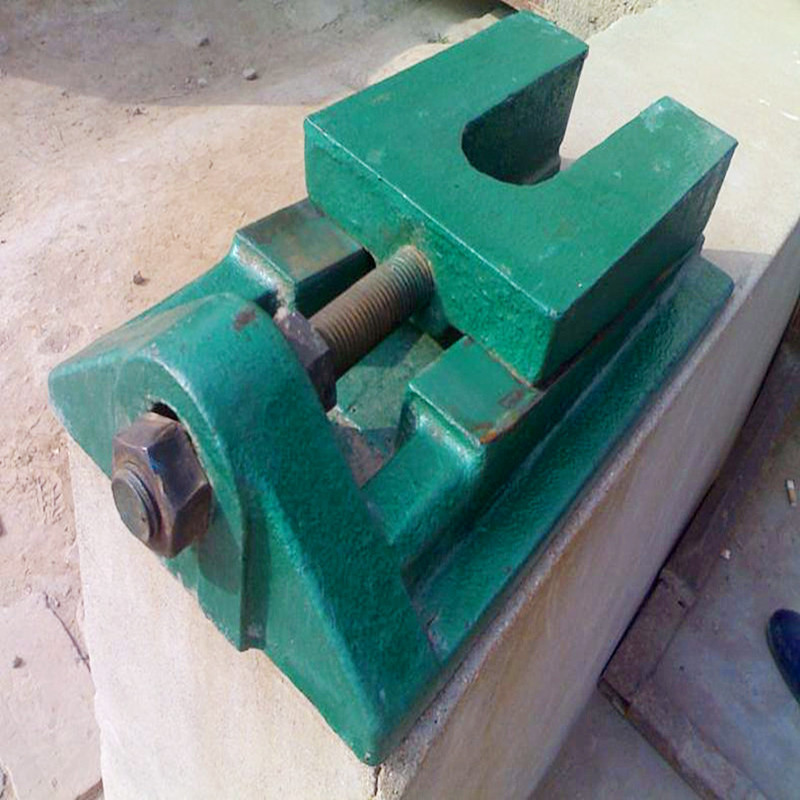
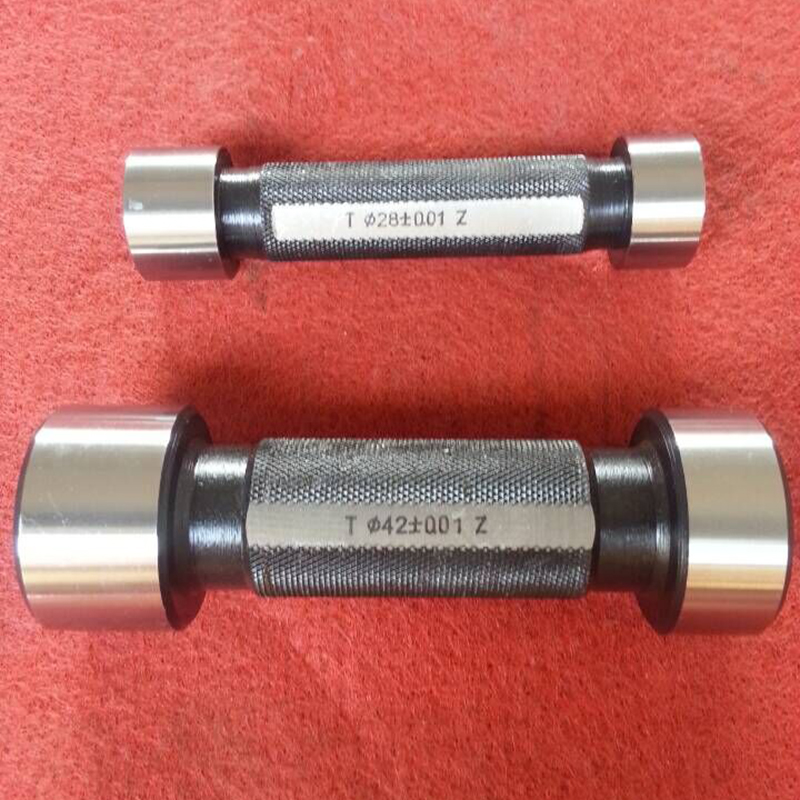
How to Use a Spirit Level A Comprehensive Guide A spirit level, also known as a bubble level, is an essential tool for anyone working in construction, woodworking, or DIY projects. Its primary purpose is to determine whether a surface is horizontal (level) or vertical (plumb). Using a spirit level correctly is crucial for ensuring accuracy in your work. This article will guide you through the process of using a spirit level effectively. Understanding the Spirit Level A typical spirit level consists of a straight edge made from materials like aluminum or wood, with one or more vials filled with liquid. Each vial has a bubble that indicates whether the surface is level. When the bubble is centered between the two marked lines in the vial, the surface is level. Spirit levels come in various lengths, ranging from small pocket-sized versions to long construction levels, which are useful for larger projects. Preparing for Use Before you begin, gather your materials and choose the appropriate spirit level based on the project you are working on. A small level may suffice for picture frames or shelves, while a larger level is ideal for larger structures like cabinets or fences. 1. Select the Surface Identify the surface you wish to check. This could be a shelf, a piece of furniture, or a wall. Ensure the area is free of obstructions that could affect your measurements. 2. Clean the Surface If necessary, clean the surface to remove any debris or dust that might interfere with accurate readings. Using the Spirit Level spirit level how to use 1. Position the Level Place the spirit level on the surface you want to check. Ensure that the entire level is in contact with the surface for the most accurate reading. 2. Read the Vial Observe the bubble in the vial. The bubble should be between the two lines. If it is centered, the surface is level. If the bubble is towards one end, the surface is not level. 3. Adjust if Necessary If the surface is not level, make necessary adjustments. For example, if you’re installing a shelf, you may need to add shims under one end to raise it or reposition the bracket. 4. Check in Multiple Directions For comprehensive accuracy, it’s crucial to check the surface in both horizontal and vertical orientations. Rotate the level 90 degrees and place it again to determine if the vertical alignment is correct. Additional Tips for Precise Measurements - Use a Reliable Level Ensure your spirit level is not damaged. Even small imperfections can lead to significant errors in measurement. - Calibrate Your Level Occasionally check the accuracy of your level against a known level surface. To do this, place the spirit level on a flat surface, note where the bubble lies, then flip it end to end. The bubble should be in the same position. If not, your level may need calibration or replacement. - Practicing Patience Take your time while measuring. Rushing can lead to mistakes that might affect the entire project. Conclusion Using a spirit level may seem straightforward, but taking the time to understand how to use it correctly can make a significant difference in the quality of your work. By following the steps outlined in this guide, you will ensure that your surfaces are level and plumb, leading to professional-quality outcomes in your projects. Whether you are hanging a picture frame, installing shelves, or constructing a new piece of furniture, a spirit level is an indispensable tool in your toolkit. Remember, accurate leveling not only improves aesthetics but also enhances the functionality and longevity of your work. Happy leveling!
about
custom gym mirrors
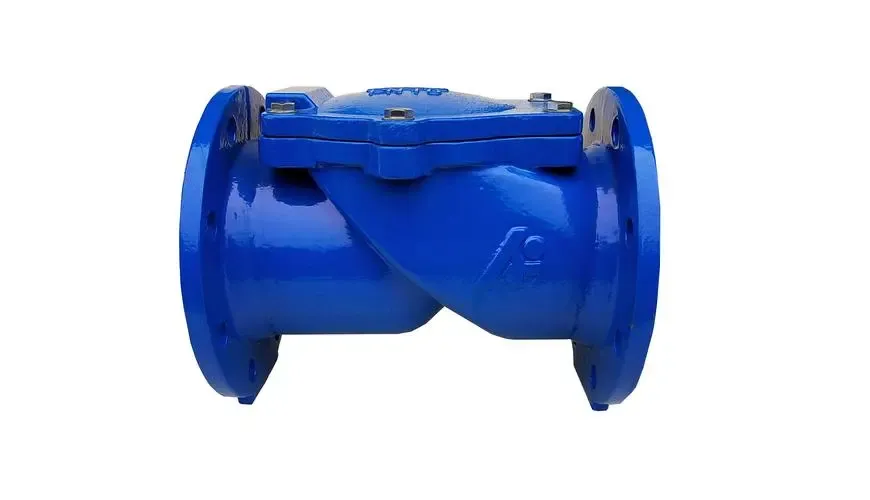
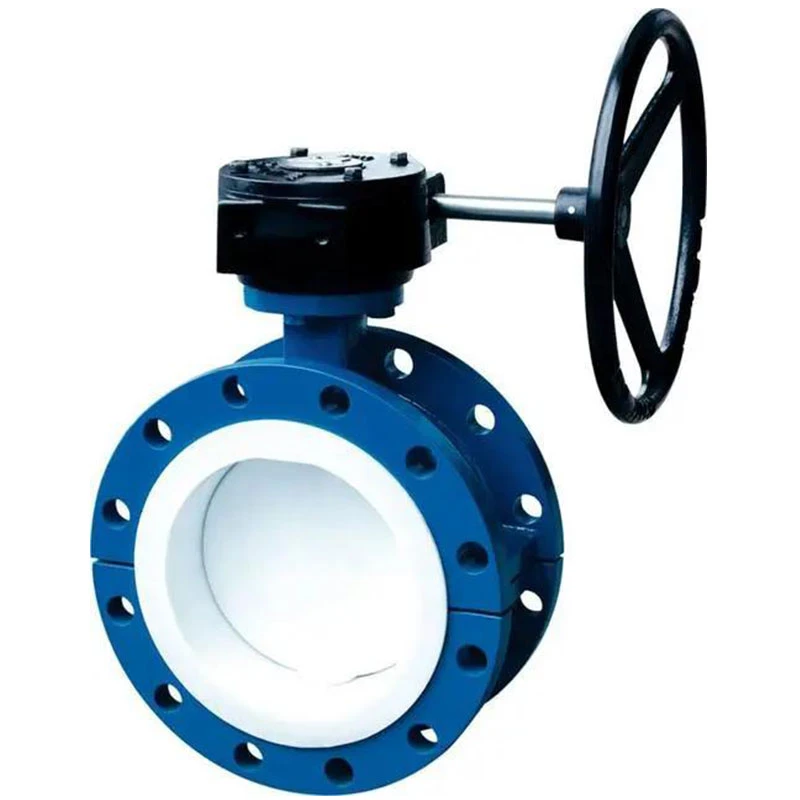
Understanding Pressure Check Valves Functionality and Importance In various industrial applications and systems, the management of pressure is critical to ensuring safety, efficiency, and reliability. One of the essential components in pressure management is the pressure check valve. These valves play a vital role in maintaining the integrity of systems by preventing backflow and ensuring that fluid or gas flows in the intended direction. What is a Pressure Check Valve? A pressure check valve is a specialized valve designed to allow fluid flow in one direction while preventing it from flowing backward. This unidirectional flow is crucial in numerous applications, including water treatment plants, manufacturing processes, and HVAC systems, where maintaining pressure balance is essential for optimal operation. The operation of a pressure check valve is quite straightforward it consists of a valve body, a seat, and a mechanism (typically a spring-loaded disc or ball) that seals the valve when reverse flow attempts to occur. When the pressure of the incoming fluid reaches a certain threshold, it lifts the disc or ball away from the seat, allowing fluid to pass through. If the pressure decreases or reverses, the mechanism returns to its seated position, thereby preventing backflow. Types of Pressure Check Valves There are several types of pressure check valves, each designed for specific applications and conditions 1. Swing Check Valve This type features a hinged disc that swings open to allow flow and closes when flow stops or reverses. It is commonly used in applications with higher flow rates. 2. Lift Check Valve This valve uses a vertical movement of the disc to open and close. It is more suitable for applications with low-pressure drops and is often used in water supply systems. 3. Ball Check Valve This valve utilizes a ball that sits in a seat. As pressure increases, the ball is pushed off the seat, allowing flow. When the pressure drops, the ball falls back into the seat, preventing backflow. 4. Tilting Disc Check Valve This type features a disc that tilts on a pivot, allowing for smoother and quieter operation. It is often employed in applications where noise reduction and pressure stability are critical. Key Features and Benefits The functionality of pressure check valves offers numerous benefits to industrial systems pressure check valve - Prevention of Backflow One of the primary functions of a pressure check valve is to prevent backflow, which can lead to contamination, equipment damage, or system failures. - Pressure Regulation By ensuring that fluids do not flow backward, these valves contribute to maintaining the necessary pressure levels within the system, which is crucial for operational efficiency. - Increased Safety In systems handling hazardous materials, the risk of reverse flow can pose significant safety risks. Pressure check valves mitigate these risks, enhancing overall system safety. - Reduced Maintenance Costs By preventing issues caused by backflow, pressure check valves can effectively reduce wear and tear on pumps and other components, resulting in lower maintenance costs over time. Considerations for Selection When selecting a pressure check valve for a specific application, several factors must be considered - Pressure Rating Ensure that the valve can handle the maximum pressures expected in the system. - Flow Characteristics The valve should be compatible with the flow rates and type of fluid being managed (liquid or gas). - Material Compatibility Depending on the fluid being handled, the valve material should be resistant to corrosion, erosion, or other forms of degradation. - Installation Orientation Some check valves are designed to function in specific orientations; therefore, compatibility with the intended installation setup is crucial. Conclusion Pressure check valves are indispensable components in a wide range of industrial applications. By ensuring unidirectional flow and preventing backflow, these valves help maintain system pressure, enhance safety, and reduce maintenance costs. Selecting the appropriate type of pressure check valve based on the specific requirements of an application is vital to maximizing its effectiveness. Understanding their role and functionality is essential for engineers, technicians, and anyone involved in system design or maintenance, ensuring that the systems operate safely and efficiently. As industries continue to evolve, the importance of reliable pressure management solutions, including pressure check valves, will only continue to grow.
-

High quality industrial productsagement

High quality industrial products
View Details -

Meet the diverse needs of customers

Meet the diverse needs of customers
View Details -

Strict quality control

Strict quality control
View Details -

Top raw materials

Top raw materials
View Details -

Trusted supplier

Trusted supplier
View Details
Our application


news and information
valve factory
Located at the very heart of industrial innovation, valve factories have become pivotal in shaping t
Water Pressure Regulation Valve Efficient Flow Control System
Understanding Water Pressure Control Valves A Key Component in Efficient Plumbing Systems In the in
Y-Shaped Strainer for Efficient Liquid Filtration Solutions
y shaped strainer .
 English